Understanding Clinical Massage Therapy
Clinical Massage Therapy is a specialized, goal-oriented form of therapeutic bodywork designed to address specific pain, tension, and mobility challenges. Unlike relaxation massage, Clinical Massage Therapy in Bermuda focuses on assessment, treatment planning, and measurable outcomes to help individuals recover from injury, manage chronic discomfort, and improve physical function.
At its core, Clinical Massage Therapy combines a thorough understanding of anatomy, physiology, and biomechanics with hands-on techniques tailored to each person's unique needs. Therapists work with clients to identify the root causes of discomfort and develop treatment strategies that support recovery and long-term wellness.
How Clinical Massage Therapy Differs from Relaxation Massage
While both Clinical Massage Therapy and relaxation massage involve skilled touch, their purposes and approaches are quite different.
Clinical Massage Therapy:
- Begins with a thorough assessment of posture, movement patterns, and areas of concern
- Focuses on specific therapeutic goals, such as reducing pain or improving range of motion
- Uses targeted techniques including deep tissue work, trigger point therapy, myofascial release, and stretching
- May involve treatment plans spanning multiple sessions
- Addresses the underlying causes of tension and discomfort
Relaxation Massage:
- Primarily designed to promote general relaxation and stress relief
- Typically uses lighter, flowing strokes across the whole body
- Does not require detailed assessment or treatment planning
- Focuses on overall comfort and calming the nervous system
Both approaches have value, but if you're dealing with persistent pain, limited mobility, or recovery from injury, Clinical Massage Therapy offers a more structured, therapeutic path forward.
Common Techniques Used in Clinical Massage Therapy
Clinical Massage Therapists at Ashlan Clinic in Hamilton, Bermuda are trained in a variety of evidence-based techniques. The approach used during your session will depend on your individual assessment and treatment goals.
Deep Tissue Massage
This technique involves applying sustained pressure to reach deeper layers of muscle and connective tissue. Deep tissue work can help address chronic tension patterns and areas of restricted movement.
Trigger Point Therapy
Trigger points are tight, sensitive areas within muscle tissue that can refer pain to other parts of the body. Therapists use specific pressure and release techniques to help reduce trigger point activity and associated discomfort.
Myofascial Release
Fascia is the connective tissue that surrounds and supports muscles throughout the body. Myofascial release techniques apply gentle, sustained pressure to help release restrictions in fascial tissue and improve mobility.
Neuromuscular Therapy
This approach addresses the relationship between the nervous system and muscular tension. Therapists work to reduce nerve compression, improve circulation, and release patterns of chronic tension.
Stretching and Movement Education
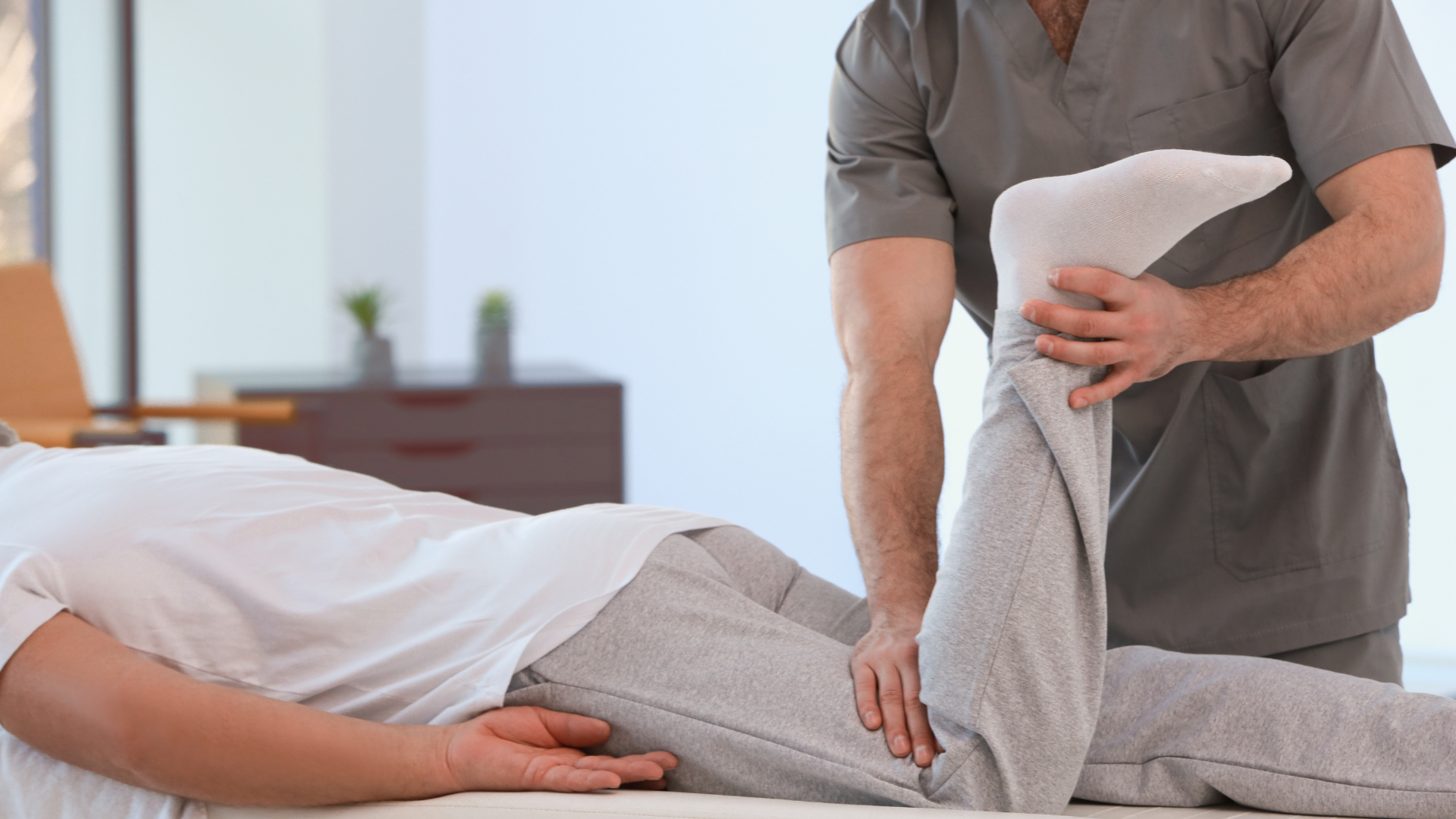
Many sessions include assisted stretching and guidance on movements or exercises you can practice at home to support your recovery between appointments.
Conditions That May Benefit from Clinical Massage Therapy
Clinical Massage Therapy can support recovery and management of many common musculoskeletal concerns. While we cannot diagnose conditions or guarantee specific outcomes, many people experience meaningful improvement through consistent therapeutic care.
Common reasons people seek Clinical Massage Therapy include:
- Chronic neck and shoulder tension
- Lower back discomfort
- Headaches and jaw tension
- Sports-related muscle strain or overuse
- Post-surgical recovery support (with physician clearance)
- Repetitive strain from desk work or physical labor
- Postural imbalances and associated discomfort
- Limited range of motion in joints
- General muscle tightness and stiffness
If you're managing a diagnosed medical condition, it's important to work with your healthcare provider to ensure massage therapy is appropriate for your situation. Clinical Massage Therapists work as part of your broader wellness team, not as a replacement for medical care.
What to Expect During Your First Session
Your first visit to Ashlan Clinic begins with a comprehensive consultation. Your Massage Therapist will ask about your health history, current concerns, and treatment goals. This conversation helps create a clear picture of your needs and allows your Therapist to develop an appropriate treatment approach.
The assessment typically includes:
- Discussion of your primary areas of discomfort or concern
- Review of relevant health history and any injuries
- Observation of posture and movement patterns
- Palpation (hands-on assessment) of soft tissue
- Questions about your daily activities, work setup, and lifestyle factors
Based on this assessment, your Therapist will explain their findings and recommend a treatment plan. This plan outlines the techniques that may be most helpful, suggested session frequency, and any self-care practices that can support your progress.
During treatment, communication is essential. Your Therapist will check in about pressure levels and comfort throughout the session. Clinical Massage Therapy should be therapeutic but not unbearable—you should always feel comfortable speaking up if something doesn't feel right.
The Role of Self-Care Between Sessions
Clinical Massage Therapy sessions are an important part of recovery, but what you do between appointments matters just as much. Your Therapist may suggest specific stretches, movement practices, or lifestyle adjustments to support the work done during treatment.
Common recommendations might include:
- Simple stretches to maintain mobility
- Ergonomic adjustments to your workspace
- Hydration and sleep wellness practices
- Heat or cold application for specific areas
- Gradual return to physical activities
These suggestions are tailored to your individual situation and treatment goals. Consistency with self-care practices often helps people experience better, longer-lasting results.
How Ashlan Clinic Can Help
Ashlan Clinic is Bermuda's leading Clinical Massage Therapy practice, located in Hamilton, Bermuda. Our team of experienced Massage Therapists and Reflexologists brings a professional, evidence-based approach to therapeutic care.
We understand that pain, tension, and limited mobility can significantly impact daily life. Whether you're recovering from a sports injury, managing chronic discomfort, or seeking support for better movement and function, our Therapists create individualized treatment plans designed around your specific needs.
Our practice focuses exclusively on therapeutic bodywork—we are not a spa or relaxation retreat. Every session is goal-oriented and built on a foundation of thorough assessment and clear communication.
In addition to Clinical Massage Therapy, we offer Reflexology services and provide access to Therabody recovery devices to support your wellness goals outside the treatment room.
Book your appointment with Ashlan Clinic to speak with one of our experienced Therapists and find the right treatment approach for your needs.
Taking the Next Step
If you're dealing with persistent pain, recovering from injury, or simply want to move and feel better in your daily life, Clinical Massage Therapy may offer meaningful support. The first step is a professional assessment with a qualified Massage Therapist who can evaluate your individual situation and recommend an appropriate path forward.
Clinical Massage Therapy is not a quick fix or miracle cure—it's a collaborative process that requires time, consistency, and active participation. But for many people in Bermuda, it has become an essential part of managing discomfort, supporting recovery, and maintaining long-term physical wellness.
Reach out to Ashlan Clinic in Hamilton, Bermuda to schedule your initial consultation and begin your journey toward better movement, reduced pain, and improved quality of life.