
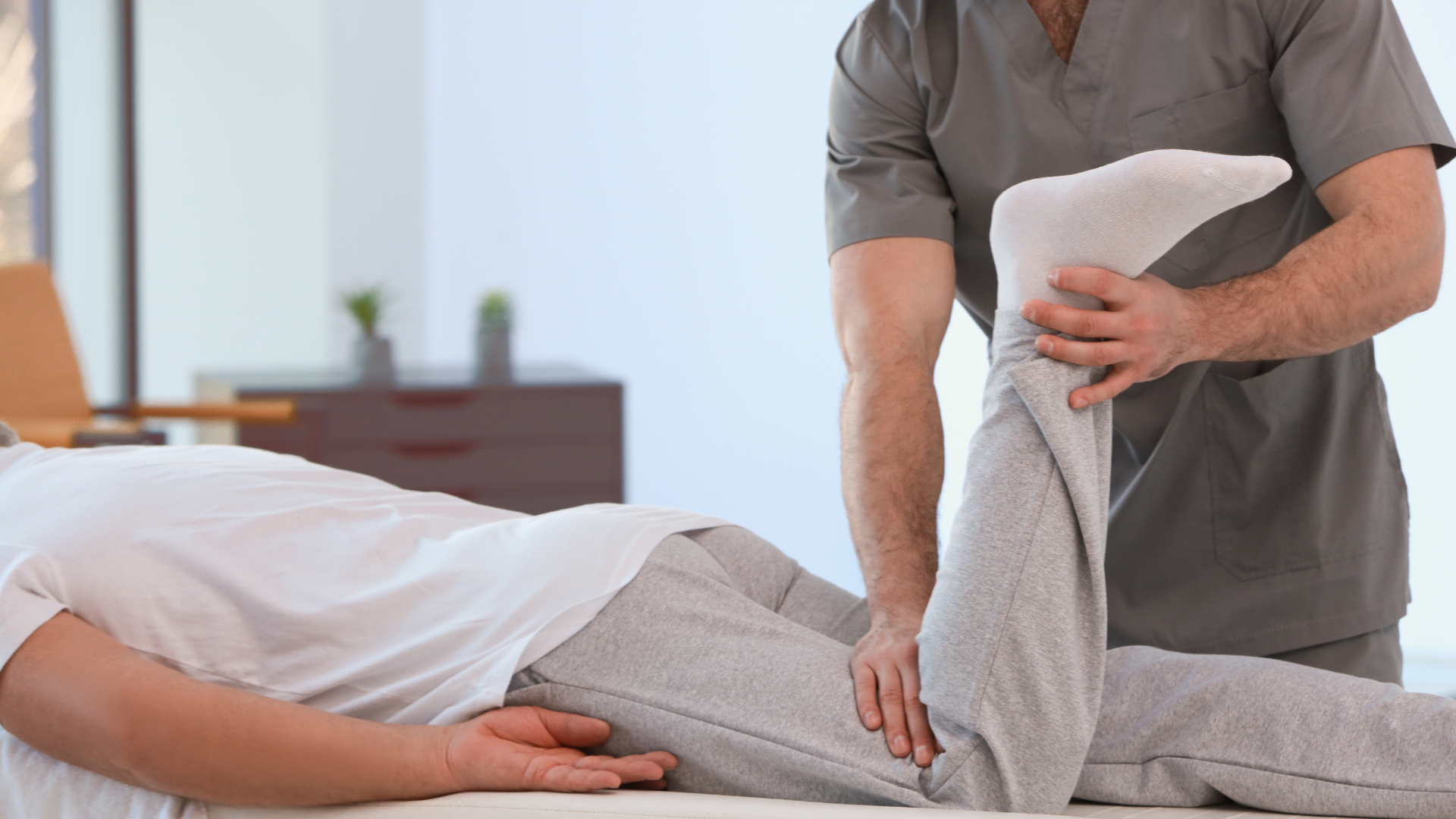
Understanding the Role of Clinical Massage Therapy in Recovery
When recovering from an injury, whether from a sports accident, workplace incident, or everyday strain, the path to feeling like yourself again can feel overwhelming. Clinical Massage Therapy has become an increasingly recognized form of therapeutic care that may support the rehabilitation process alongside other treatments you may be receiving.
At Ashlan Clinic in Hamilton, Bermuda, our experienced Therapists work with clients to create individualized treatment plans that focus on mobility, pain relief, and supporting the body's natural healing processes. While Clinical Massage Therapy is not a medical treatment and cannot cure injuries, many people find it to be a helpful component of their overall recovery approach.
What Makes Clinical Massage Therapy Different
Clinical Massage Therapy differs significantly from relaxation massage or spa treatments. Our Therapists use evidence-informed techniques designed to address specific concerns related to soft tissue function, joint mobility, and musculoskeletal comfort.
During injury rehabilitation in Bermuda, Clinical Massage Therapy focuses on:
- Assessing areas of restricted movement or discomfort
- Applying targeted techniques to soft tissue structures
- Supporting circulation in affected areas
- Helping to maintain mobility during the recovery period
- Addressing compensatory patterns that may develop during healing
Each session is tailored to where you are in your recovery journey. What works during the early stages of rehabilitation may be quite different from what's appropriate weeks or months later.
How Injury Rehabilitation May Be Supported
Reducing Muscle Tension and Guarding
After an injury, the body often responds by tensing surrounding muscles as a protective mechanism. While this is a natural response, prolonged muscle guarding can lead to stiffness and reduced range of motion. Clinical Massage Therapy techniques may help address this tension, potentially allowing for more comfortable movement as healing progresses.
Supporting Scar Tissue Mobility
As injuries heal, scar tissue forms as part of the natural repair process. In some cases, this tissue can become restrictive. Skilled Therapists may use specific techniques to work with scar tissue, helping to encourage mobility in the affected area. This work is always done with appropriate timing—never too early in the healing process—and is adapted to individual tolerance.
Maintaining Range of Motion
Immobilization or reduced activity during recovery can lead to stiffness in joints and surrounding tissues. Clinical Massage Therapy, combined with appropriate movement, may help maintain range of motion during rehabilitation. Your Therapist can work with you to identify areas of restriction and apply techniques that support mobility.
Addressing Compensatory Patterns
When one area of the body is injured, we often unconsciously adjust how we move, sit, or stand. These compensatory patterns can create tension or discomfort in other areas. Clinical Massage Therapy can help identify and address these secondary concerns, supporting overall body function during recovery.
Promoting Relaxation and Sleep Quality
Recovery is demanding—both physically and mentally. Pain and limited mobility can affect sleep quality, which in turn impacts the body's ability to heal. Many clients report that Clinical Massage Therapy helps them feel more relaxed and may support better sleep, which is essential for recovery.
What to Expect During Injury Rehabilitation Sessions
Initial Assessment
Your first visit to Ashlan Clinic includes a thorough assessment. Your Therapist will ask about your injury, what treatments you're currently receiving, your recovery goals, and any concerns you have. This conversation helps create a treatment approach that fits your specific situation.
It's important to be open about your medical care. Clinical Massage Therapy works best as a complement to—not a replacement for—appropriate medical treatment.
Customized Treatment Plans
No two injuries are identical, and no two people heal the same way. Your treatment plan will be designed specifically for you, taking into account:
- The type and severity of your injury
- How long ago the injury occurred
- Your current symptoms and limitations
- Other treatments you're receiving
- Your overall health and recovery goals
Treatment plans are adjusted as your recovery progresses. What you need in week one will likely differ from what's appropriate in week six.
Communication Throughout the Process
During each session, your Therapist will check in with you about pressure, comfort, and how your body is responding. Open communication is essential. If something doesn't feel right, or if you're experiencing increased discomfort after a session, let your Therapist know so adjustments can be made.
When Clinical Massage Therapy May Be Most Helpful
Clinical Massage Therapy may support recovery from various types of soft tissue injuries, including:
- Muscle strains and sprains
- Repetitive strain injuries
- Post-surgical soft tissue recovery (with medical clearance)
- Sports-related injuries
- Whiplash and neck injuries
- Lower back strains
- Shoulder and rotator cuff concerns
- Tennis elbow and similar overuse conditions
Timing matters. For some injuries, immediate massage is not appropriate. Your Therapist will help determine if Clinical Massage Therapy is suitable for your current stage of recovery, and may recommend waiting if it's too early in the healing process.
Integrating Clinical Massage Therapy with Other Care
Clinical Massage Therapy works best as part of a comprehensive approach to injury rehabilitation. Many clients in Bermuda work with physical therapists, physicians, chiropractors, or other healthcare providers alongside their massage therapy sessions.
Your Therapist can coordinate with your other care providers (with your permission) to ensure everyone is working toward the same recovery goals. This collaborative approach often provides the most effective support.
How Ashlan Clinic Can Help
At Ashlan Clinic, we understand that recovering from an injury affects every aspect of your life—from work to sleep to the activities you enjoy. Our Clinical Massage Therapists bring extensive training and experience in therapeutic techniques designed to support rehabilitation.
Located in Hamilton, Bermuda, we offer:
- Individualized assessments and treatment planning
- Evidence-informed Clinical Massage Therapy techniques
- Flexible appointment scheduling to fit your recovery needs
- A professional, clinical environment focused on therapeutic outcomes
- Therapists who understand the rehabilitation process
We take the time to understand your specific situation and create a treatment approach that makes sense for where you are in your recovery. Whether you're dealing with a recent injury or working through a longer rehabilitation process, our team is here to provide knowledgeable, compassionate care.
Book your appointment with Ashlan Clinic to speak with one of our experienced Therapists and find the right treatment approach for your needs.
Moving Forward in Your Recovery
Recovering from an injury takes time, patience, and often a combination of different therapies and self-care practices. Clinical Massage Therapy can be a valuable part of that process, but it's most effective when combined with appropriate rest, movement, and any medical care you're receiving.
If you're in Bermuda and considering Clinical Massage Therapy as part of your injury rehabilitation, we invite you to reach out. Our Therapists can answer your questions, discuss whether massage therapy is appropriate for your situation, and help you understand what to expect from treatment.
Recovery is rarely linear—there are often ups and downs along the way. Having a skilled, supportive team behind you can make the journey more manageable. At Ashlan Clinic, we're committed to providing professional, individualized care that supports your path to feeling better and moving more comfortably.