
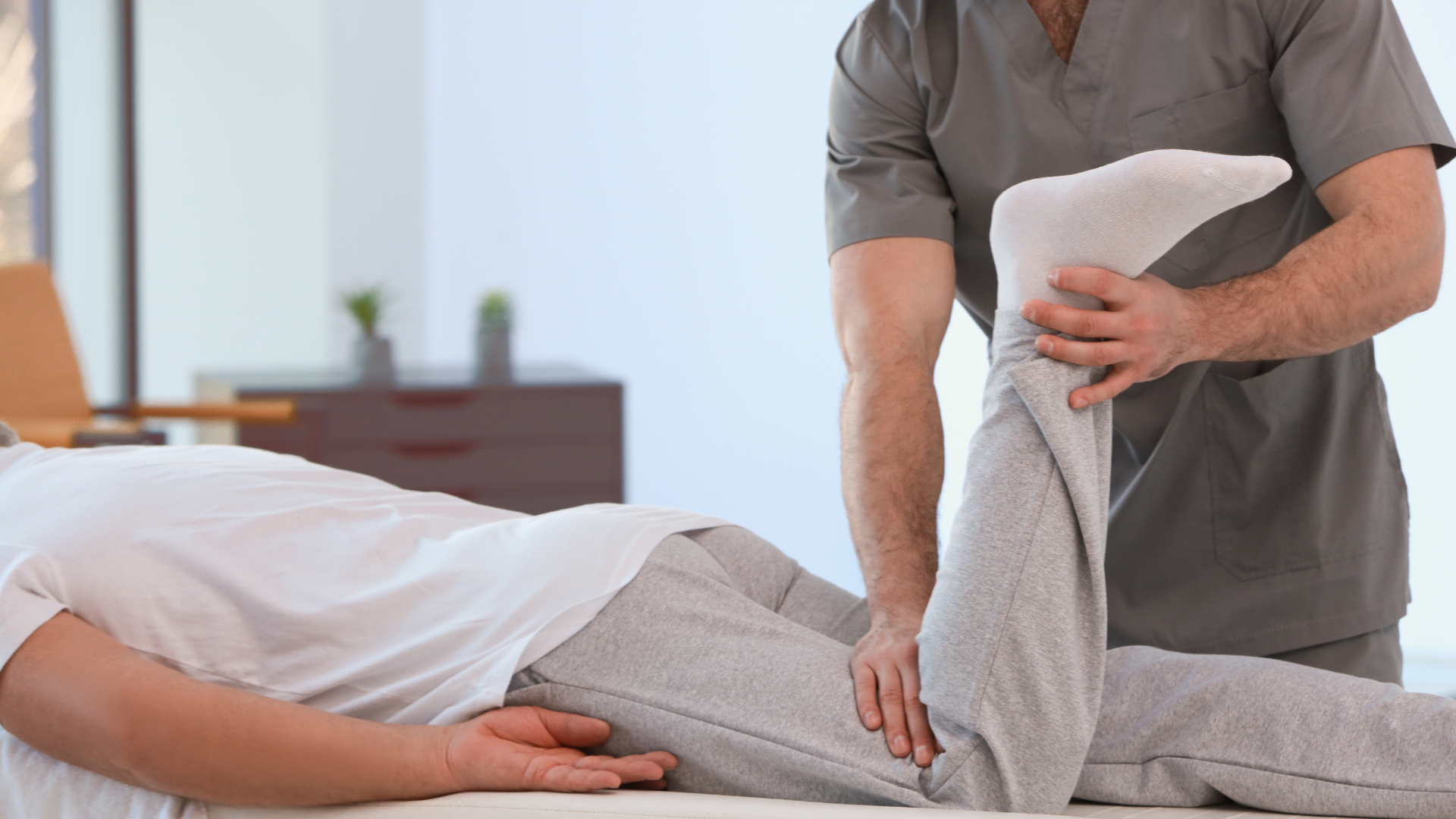
Sports Massage vs Deep Tissue Massage: What's the Difference?
If you're exploring massage therapy options in Bermuda, you've likely come across the terms "Sports Massage" and "Deep Tissue Massage." While both techniques involve firm pressure and work on deeper layers of muscle tissue, they serve distinct purposes and are designed for different situations.
Understanding the differences between these two Clinical Massage Therapy approaches can help you make an informed decision about which treatment may better support your recovery, mobility, or pain relief goals.
What Is Sports Massage?
Sports Massage is a specialized form of massage therapy designed to support athletic performance, prevent injury, and aid recovery. It's commonly used by athletes, active individuals, and anyone engaged in regular physical activity.
Key characteristics of Sports Massage include:
- Goal-oriented treatment: Sessions are typically structured around specific athletic goals—whether that's preparing for an event, recovering after competition, or maintaining performance during training cycles.
- Varied techniques: Sports Massage Therapists may use a combination of stretching, compression, friction, and joint mobilization alongside traditional massage strokes.
- Timing matters: Sports Massage can be delivered at different stages—pre-event (lighter, stimulating touch), post-event (focused on recovery), or maintenance (addressing chronic tension and imbalances).
- Focus on function: The emphasis is on improving range of motion, reducing muscle tightness, and supporting the body's ability to perform and recover.
Sports Massage is not exclusively for competitive athletes. Many people who enjoy running, cycling, swimming, gym training, or recreational sports in Bermuda find that regular Sports Massage supports their activity levels and helps manage minor strains before they become larger issues.
What Is Deep Tissue Massage?
Deep Tissue Massage is a therapeutic technique that targets the deeper layers of muscle and connective tissue (fascia). It's often sought by individuals dealing with chronic pain, tension, restricted movement, or muscle tightness that hasn't responded to lighter touch.
Key characteristics of Deep Tissue Massage include:
- Sustained pressure: Therapists apply slow, deliberate strokes and focused pressure to reach deeper muscle layers and adhesions.
- Addressing chronic tension: This approach may help release long-standing patterns of tightness, particularly in the neck, shoulders, lower back, and legs.
- Breaking down adhesions: Over time, muscle fibers and fascia can develop areas of restricted movement. Deep Tissue Massage works to address these areas, which may support improved mobility.
- Not always about intensity: While the pressure is firm, effective Deep Tissue Massage is about precision and communication—not simply applying maximum force.
Deep Tissue Massage is commonly recommended for individuals experiencing ongoing discomfort, postural strain from desk work, or restricted movement that affects daily activities. Many people in Hamilton, Bermuda, seek this treatment to manage the physical demands of office work, manual labor, or repetitive movement patterns.
Key Differences Between Sports Massage and Deep Tissue Massage
While both modalities can involve firm pressure and target deeper tissue, the intent and application differ:
| Aspect | Sports Massage | Deep Tissue Massage |
|---|---|---|
| Primary Purpose | Performance, injury prevention, athletic recovery | Chronic pain relief, tension release, mobility improvement |
| Typical Client | Athletes, active individuals, those training for events | Individuals with chronic pain, postural issues, or restricted movement |
| Pressure Style | Varies by timing and goal; can include dynamic stretching and movement | Sustained, focused pressure on specific areas of tension |
| Treatment Focus | Functional movement, muscle flexibility, sport-specific needs | Releasing deep-seated tension, addressing adhesions, long-term relief |
| Session Timing | Often aligned with training or competition schedule | Scheduled based on symptoms and treatment goals |
Which Treatment Is Right for You?
Choosing between Sports Massage and Deep Tissue Massage depends on your current needs, activity level, and what you're hoping to address.
Consider Sports Massage if you:
- Are training for a race, competition, or athletic event
- Experience tightness or soreness related to regular exercise
- Want to maintain flexibility and performance during a training cycle
- Need recovery support after intense physical activity
- Are dealing with minor strains or overuse patterns related to your sport
Consider Deep Tissue Massage if you:
- Experience chronic muscle tension or discomfort that persists over time
- Have restricted range of motion in your neck, shoulders, back, or hips
- Spend long hours sitting at a desk or performing repetitive tasks
- Feel tightness that hasn't improved with stretching or lighter massage
- Want targeted work on specific areas of long-term tension
In many cases, the distinction isn't absolute. Your Clinical Massage Therapist may incorporate elements of both approaches depending on your individual presentation and treatment goals. A professional assessment can help determine the most appropriate plan.
What to Expect During Your Session
Whether you're receiving Sports Massage or Deep Tissue Massage at Ashlan Clinic in Hamilton, Bermuda, your session will begin with a brief discussion about your goals, activity level, and any areas of concern.
Your Massage Therapist will:
- Assess your movement, posture, and areas of tightness
- Explain the treatment approach and what you can expect
- Adjust pressure and technique based on your feedback
- Provide guidance on post-treatment care, hydration, and movement
Communication is essential. If the pressure feels too intense or uncomfortable, let your Therapist know. Effective treatment requires a balance between therapeutic depth and your comfort level.
How Ashlan Clinic Can Help
At Ashlan Clinic, our experienced Clinical Massage Therapists are trained in both Sports Massage and Deep Tissue Massage techniques. We understand that every individual has unique needs, and we tailor each session to support your specific goals—whether that's athletic performance, pain relief, improved mobility, or ongoing maintenance.
Located in Hamilton, Bermuda, Ashlan Clinic provides professional, evidence-informed massage therapy in a clinical setting. We focus on functional outcomes, clear communication, and helping you understand your treatment plan.
If you're unsure which approach is right for you, our Therapists can guide you during your initial consultation. Many clients benefit from a combination of techniques, and treatment plans can evolve as your needs change.
Book your appointment with Ashlan Clinic to speak with one of our experienced Therapists and find the right treatment approach for your needs.
Supporting Your Recovery and Performance
Whether you're an active athlete looking to maintain performance, someone managing chronic tension from daily demands, or simply seeking relief from persistent tightness, Clinical Massage Therapy can play a valuable role in your overall wellness.
Understanding the difference between Sports Massage and Deep Tissue Massage helps you make informed decisions about your care. Both approaches offer distinct benefits, and the right choice depends on your current situation, goals, and how your body responds to treatment.
If you have questions about which treatment may be appropriate for you, our team at Ashlan Clinic is here to help. We're committed to providing professional, personalized care that supports your body's ability to move, recover, and function at its best.