
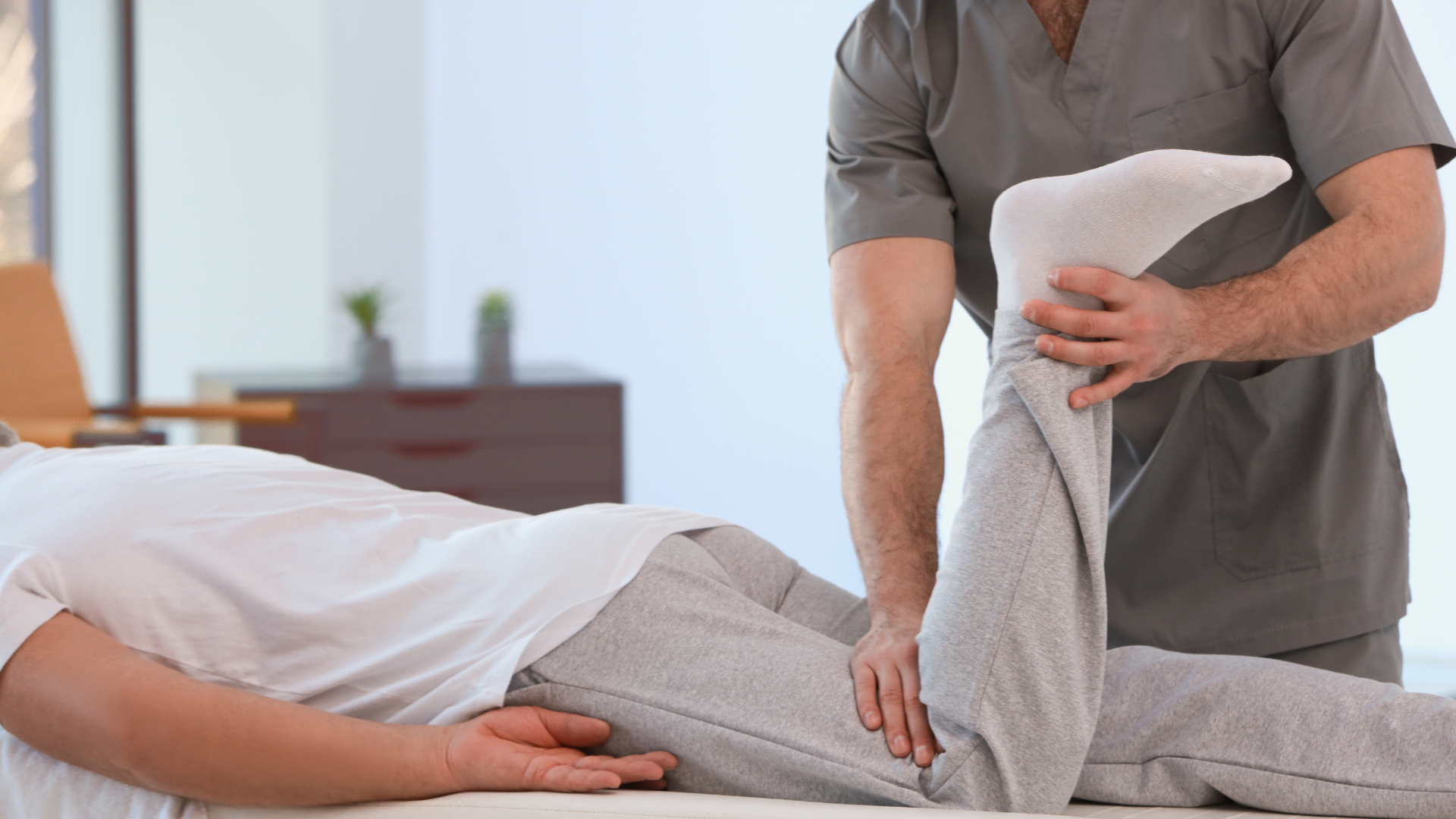
What Is Neuromuscular Therapy?
Neuromuscular Therapy is a specialized form of Clinical Massage Therapy that focuses on the relationship between the nervous system and muscular system. This therapeutic approach targets specific areas of muscle tension, trigger points, and soft tissue dysfunction that may contribute to pain and restricted movement.
Unlike general relaxation massage, Neuromuscular Therapy uses precise, focused pressure and specific techniques to address areas where muscle tissue has become tight, compressed, or dysfunctional. Many people experiencing chronic pain, tension headaches, or restricted mobility find that this targeted approach can support their recovery journey.
At Ashlan Clinic in Hamilton, Bermuda, our experienced Clinical Massage Therapists assess each individual's unique patterns of tension and develop treatment plans tailored to their specific needs.
How Neuromuscular Therapy Works
Neuromuscular Therapy addresses several key factors that may contribute to pain and discomfort:
Trigger Points
Trigger points are hyperirritable spots within tight bands of muscle tissue. These areas can refer pain to other parts of the body and may restrict normal movement patterns. Neuromuscular Therapy applies sustained pressure to these points to help release tension and reduce referred pain patterns.
Muscle Tension and Imbalance
When certain muscles become chronically tight while opposing muscles weaken, the body develops compensation patterns. This imbalance can contribute to ongoing discomfort and reduced function. Treatment focuses on releasing overactive muscles and supporting better balance throughout the musculoskeletal system.
Nerve Compression
Tight muscles and connective tissue can sometimes compress nerves, leading to sensations of tingling, numbness, or radiating pain. By addressing the soft tissue around nerve pathways, Neuromuscular Therapy may help reduce these compression-related symptoms.
Postural Stress
Many people spend hours in positions that strain certain muscle groups — whether at a desk, driving, or performing repetitive work tasks. Over time, these postural stresses can create patterns of chronic tension. Neuromuscular Therapy can target these areas while supporting better body awareness.
Common Conditions That May Benefit from Neuromuscular Therapy
Many people seek Neuromuscular Therapy in Bermuda for support with:
- Chronic back pain and neck tension
- Tension headaches and migraine-related muscle patterns
- Shoulder pain and restricted range of motion
- Hip pain and sacroiliac joint discomfort
- Sciatic-type symptoms and leg pain
- Jaw tension and TMJ-related discomfort
- Sports-related muscle strain and recovery support
- Repetitive strain patterns from work or daily activities
While Neuromuscular Therapy can support pain relief and improved function for many individuals, it's important to note that everyone's experience is unique. A professional assessment helps determine whether this approach is appropriate for your specific situation.
What to Expect During a Neuromuscular Therapy Session
Your first session at Ashlan Clinic begins with a thorough assessment. Your Clinical Massage Therapist will discuss your pain patterns, movement restrictions, daily activities, and goals for treatment. This conversation helps create a clear picture of how Neuromuscular Therapy might support your recovery.
During treatment, your Therapist uses hands-on techniques to assess muscle tissue quality, identify trigger points, and locate areas of restriction. The pressure applied during Neuromuscular Therapy is typically more focused and deeper than general massage, targeting specific areas rather than working the entire body.
You may experience some tenderness during treatment, particularly when trigger points are addressed. Your Therapist will communicate throughout the session and adjust pressure to ensure the treatment remains within your comfort tolerance. Many people describe the sensation as "good pain" — uncomfortable in the moment but followed by a sense of release.
Sessions typically last between 60 and 90 minutes, depending on the areas being addressed and your treatment plan. Your Therapist may also provide guidance on stretches, movement modifications, or self-care strategies to support your progress between sessions.
The Neuromuscular Therapy Approach at Ashlan Clinic
At Ashlan Clinic, we understand that effective pain relief requires more than addressing symptoms. Our Clinical Massage Therapists take time to understand the underlying patterns contributing to your discomfort.
Each treatment plan is built around your individual needs, taking into account:
- Your specific pain patterns and areas of restriction
- Daily activities and occupational demands
- Movement habits and postural tendencies
- Previous injuries or ongoing health considerations
- Your goals for improved function and quality of life
Our Therapists may integrate Neuromuscular Therapy with other Clinical Massage Therapy techniques, creating a comprehensive approach that addresses multiple aspects of pain and dysfunction. This integrative method allows us to adapt treatment as your needs change and your body responds.
Supporting Long-Term Recovery
Neuromuscular Therapy is often most effective when integrated into a broader recovery and wellness plan. While some people experience significant relief after a single session, chronic pain patterns typically develop over time and may require consistent treatment to address fully.
Your Therapist will work with you to establish realistic expectations and develop a treatment schedule that supports progressive improvement. For some individuals, this might mean weekly sessions initially, transitioning to maintenance care as symptoms improve. Others may benefit from focused treatment over several weeks followed by periodic check-ins.
Between sessions, the self-care strategies your Therapist recommends can play an important role in maintaining progress. These might include specific stretches, awareness of posture during certain activities, or modifications to movement patterns that contribute to tension.
How Ashlan Clinic Can Help
If you're experiencing chronic pain, muscle tension, or restricted mobility, Neuromuscular Therapy may offer the targeted support you need. At Ashlan Clinic in Hamilton, Bermuda, our experienced Clinical Massage Therapists combine skilled assessment with precise treatment techniques to address the underlying factors contributing to your discomfort.
We recognize that each person's pain experience is unique, and we take time to understand your specific situation before recommending a treatment approach. Our goal is to support your recovery with professional, evidence-informed care delivered in a comfortable, clinical environment.
Whether you're dealing with long-standing tension patterns, recovering from a sports-related strain, or managing pain that affects your daily activities, our team can assess your needs and develop an appropriate treatment plan.
Book your appointment with Ashlan Clinic to speak with one of our experienced Therapists and find the right treatment approach for your needs.
Neuromuscular Therapy and Your Wellness Journey
Pain relief is not just about eliminating discomfort — it's about restoring function, improving movement quality, and supporting your ability to engage fully in the activities that matter to you. Neuromuscular Therapy addresses the specific soft tissue dysfunctions that may be limiting your quality of life.
As Bermuda's leading Clinical Massage Therapy practice, Ashlan Clinic is committed to providing professional, effective treatment that supports your recovery goals. Our Therapists stay current with therapeutic techniques and continue to refine their skills to serve our clients better.
If you've been living with chronic tension or pain, professional assessment and treatment can make a meaningful difference. We invite you to explore how Neuromuscular Therapy at Ashlan Clinic might support your path toward greater comfort and improved function.