What Is Cupping Therapy?
Cupping therapy is a therapeutic technique used in Clinical Massage Therapy that involves placing specialized cups on the skin to create suction. This suction may help promote blood flow, support soft tissue recovery, and assist with muscle tension relief. While cupping has ancient roots in traditional healing practices, it has become a recognized modality within modern massage therapy and sports recovery settings.
At Ashlan Clinic in Hamilton, Bermuda, our experienced Massage Therapists incorporate cupping as part of comprehensive treatment plans tailored to individual needs. This technique is not a standalone cure, but rather one tool among many that may support your recovery and wellness goals.
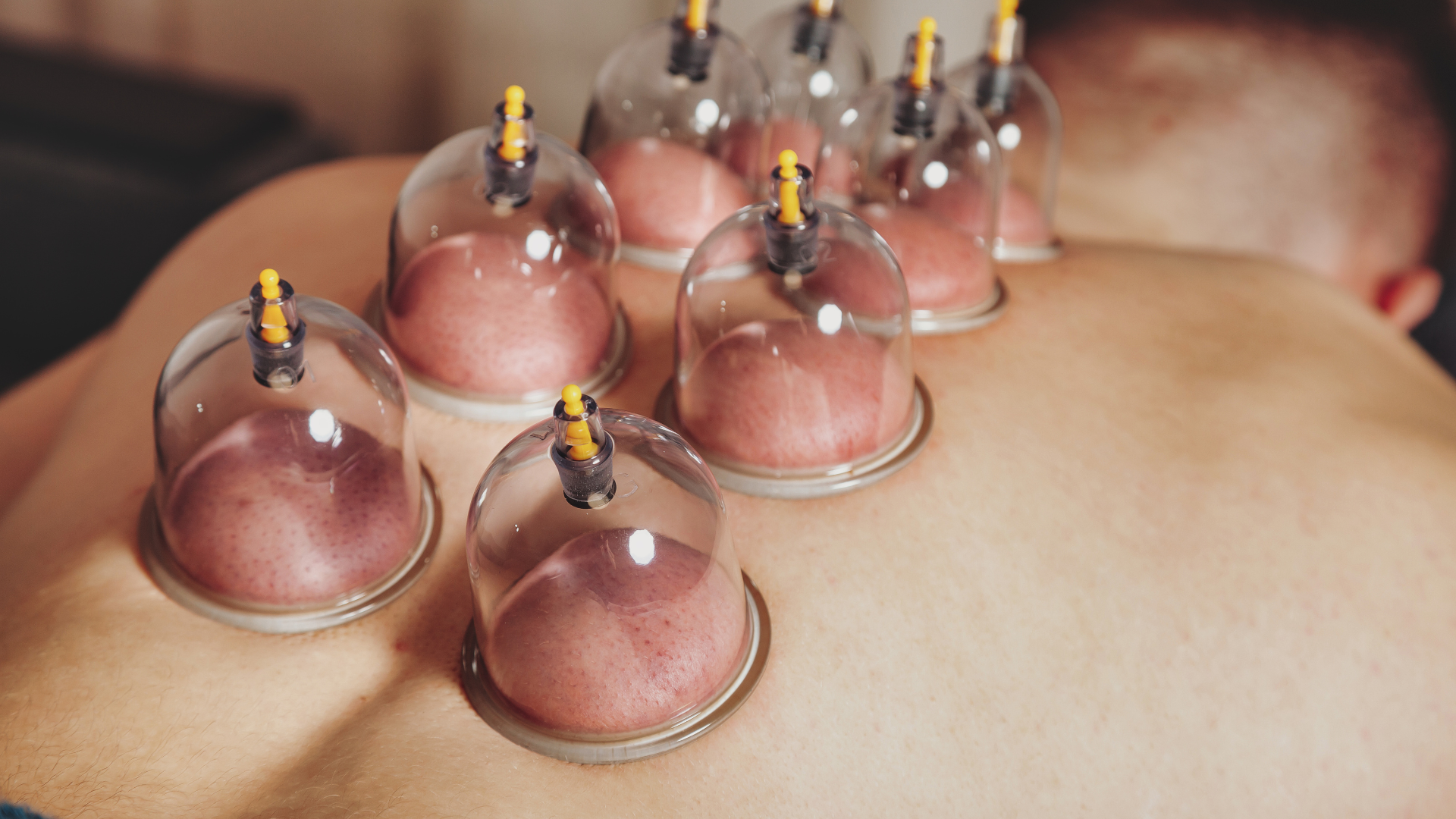
The cups used in cupping therapy are typically made of silicone, glass, or plastic. Therapists create suction either through manual pumping, heat, or hand compression, depending on the type of cup and treatment approach. The suction lifts the skin and underlying tissue, which may help increase circulation and encourage the body's natural healing processes.
How Does Cupping Therapy Work?
When cups are applied to the skin, they create negative pressure that draws tissue upward into the cup. This process may help:
- Increase local blood flow to the treated area
- Support the movement of fluid through soft tissues
- Help release muscle tension and tightness
- Encourage relaxation of fascial tissue
- Support recovery after physical activity or injury
There are two main types of cupping used in clinical settings:
Static Cupping: Cups remain in one position for several minutes, typically 5 to 15 minutes. This approach may be used for targeted areas of tension or discomfort.
Dynamic Cupping: Cups are moved across the skin in a gliding motion, often with the application of massage oil or lotion. This technique combines the benefits of cupping with manual massage strokes.
Your Massage Therapist will determine which approach may be most appropriate based on your individual presentation, goals, and comfort level.
Who May Benefit From Cupping Therapy?
Cupping therapy may be helpful for individuals experiencing various soft tissue concerns. Many people seek cupping as part of their recovery or maintenance care for:
-
Muscle tension and tightness: Athletes and active individuals often report that cupping helps with post-workout recovery and muscle soreness.
-
Limited mobility: When combined with other massage techniques, cupping may support improved range of motion in affected areas.
-
Chronic discomfort: Some people find that regular cupping sessions help them manage ongoing soft tissue discomfort as part of a broader care plan.
-
Sports recovery: Runners, swimmers, and other athletes in Bermuda use cupping as part of their training and recovery routines.
-
Postural strain: Office workers and those with sedentary jobs may experience relief from tension related to prolonged sitting or repetitive movements.
It's important to note that cupping therapy is not appropriate for everyone. A professional assessment with a qualified Massage Therapist can help determine whether this technique is suitable for your specific situation.
What to Expect During a Cupping Session
If you're considering cupping therapy at Ashlan Clinic, here's what a typical session might involve:
Initial Assessment: Your Therapist will discuss your concerns, health history, and goals. They'll explain how cupping works and answer any questions you may have.
Treatment Application: The Therapist will identify the areas to be treated and apply the cups. You may feel a pulling or tugging sensation, but the treatment should not be painful. Communication with your Therapist about comfort level is important throughout the session.
Duration: Cups may remain in place for several minutes, or your Therapist may use a gliding technique. The total treatment time depends on your individual plan.
Post-Treatment Marks: Cupping often leaves circular marks on the skin that can range from light pink to deep purple. These marks are not bruises in the traditional sense—they result from the suction drawing blood to the surface. The marks typically fade within a few days to two weeks and are generally not painful.
Aftercare Guidance: Your Therapist will provide recommendations for post-treatment care, which may include hydration, gentle movement, and monitoring how your body responds.
Cupping Therapy Safety and Considerations
While cupping is generally considered safe when performed by trained professionals, there are important considerations:
- Cupping should not be performed over broken skin, wounds, or areas with certain skin conditions
- Individuals with bleeding disorders or those taking blood-thinning medications should consult their healthcare provider before trying cupping
- The temporary marks left by cupping may be a concern for some people, particularly if they have upcoming events or professional obligations
- Cupping is not a substitute for medical diagnosis or treatment of underlying health conditions
A professional assessment at Ashlan Clinic helps ensure that cupping is appropriate for you and that any contraindications are identified before treatment begins.
Cupping as Part of a Comprehensive Treatment Plan
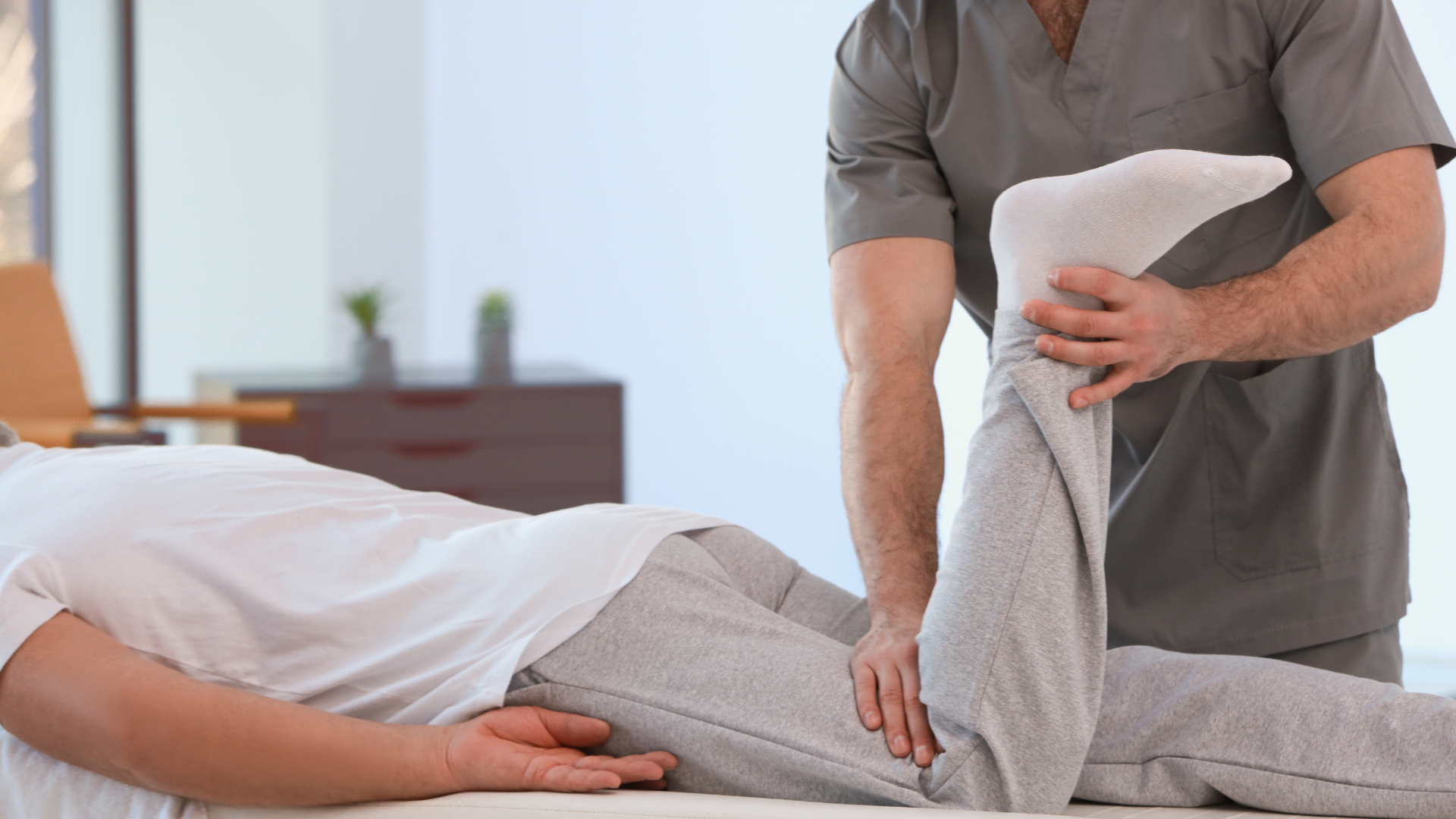
At Ashlan Clinic, cupping therapy is rarely used in isolation. Our Massage Therapists integrate cupping with other Clinical Massage Therapy techniques to create comprehensive, personalized treatment plans. This may include:
- Deep tissue massage
- Myofascial release
- Trigger point therapy
- Stretching and mobility work
- Reflexology
- Self-care education and home exercise guidance
This integrated approach recognizes that effective recovery and pain management often require multiple modalities working together. Your treatment plan will vary based on your individual needs, response to therapy, and evolving goals.
How Ashlan Clinic Can Help
Ashlan Clinic is Bermuda's leading Clinical Massage Therapy practice, serving clients in Hamilton and across the island. Our team of experienced Massage Therapists and Reflexologists brings professional training, clinical expertise, and a commitment to personalized care.
We understand that every client presents with unique circumstances, and we take the time to conduct thorough assessments before recommending any treatment approach. Whether you're dealing with sports-related muscle tension, postural strain from desk work, or simply seeking support for your overall wellness, our team can help you explore whether cupping therapy may be a beneficial addition to your care plan.
Our clinic environment is professional, clean, and focused on therapeutic outcomes—not a spa setting, but a clinical practice dedicated to helping you achieve your recovery and mobility goals.
Book your appointment with Ashlan Clinic to speak with one of our experienced Therapists and find the right treatment approach for your needs.
Getting Started With Cupping Therapy in Bermuda
If you're curious about whether cupping therapy might support your recovery or wellness goals, the first step is a professional assessment. During your initial visit to Ashlan Clinic, your Therapist will:
- Listen to your concerns and understand your goals
- Review your health history and any relevant medical information
- Conduct a physical assessment of the areas of concern
- Explain which techniques, including cupping if appropriate, may be helpful
- Answer your questions and address any concerns
- Develop a treatment plan tailored to your individual needs
Many people find that combining regular Clinical Massage Therapy with active participation in their own care—such as following home care recommendations, staying hydrated, and maintaining appropriate activity levels—supports the best outcomes.
Cupping therapy has gained visibility in recent years, particularly among athletes and active individuals. While it's not a miracle cure, many people find it to be a valuable tool within a comprehensive approach to recovery, mobility, and soft tissue health. A conversation with a qualified professional can help you determine whether it's right for you.