
Understanding the Connection Between Muscle Tension and Headaches
If you've ever felt a dull, persistent ache that starts at the base of your skull and spreads across your forehead, you're not alone. Many people in Bermuda experience tension headaches — one of the most common types of headache — often without realizing that tight, overworked muscles may be the underlying cause.
Muscle tension in the neck, shoulders, and upper back can create a domino effect that leads to headache pain. When muscles become chronically tight or stressed, they can restrict blood flow, compress nerves, and create referred pain patterns that radiate into the head. Understanding this connection is the first step toward finding effective, lasting relief.
What Are Tension Headaches?
Tension headaches are characterized by a steady, pressing sensation — often described as a tight band around the head. Unlike migraines, they typically don't cause nausea or sensitivity to light, but they can be persistent and disruptive to daily life.
Common characteristics include:
- Dull, aching pain on both sides of the head
- Tenderness in the scalp, neck, and shoulder muscles
- Tightness or pressure across the forehead or back of the head
- Pain that may last from 30 minutes to several days
- Symptoms that may worsen with stress or poor posture
While tension headaches are not life-threatening, their frequency and impact on quality of life can be significant. Many people experience them occasionally, while others deal with them on a chronic basis.
How Muscle Tension Triggers Headaches
The muscles of your neck, shoulders, and upper back are interconnected with the structures of your head through a complex network of fascia, nerves, and blood vessels. When these muscles become tense or develop trigger points — small, hyperirritable areas within the muscle tissue — they can refer pain to other areas, including the head.
Common Muscle Groups Involved
Upper trapezius: This large muscle spanning the neck and shoulders often becomes tight from stress, poor posture, or carrying heavy bags. Tension here can refer pain to the temples and base of the skull.
Suboccipital muscles: These small muscles at the base of the skull can become overworked from forward head posture or prolonged computer use, contributing to pain at the back of the head.
Sternocleidomastoid (SCM): Running along the side of the neck, this muscle can refer pain to the forehead, behind the eyes, and even into the jaw when it becomes tight.
Levator scapulae: Connecting the neck to the shoulder blade, tension in this muscle often creates a stiff neck and can contribute to headache pain.
Common Causes of Muscle Tension in Bermuda
Several lifestyle and environmental factors can contribute to muscle tension and headaches:
- Desk work and computer use: Prolonged sitting with forward head posture places significant strain on neck and shoulder muscles
- Stress and emotional tension: Mental stress often manifests as physical tension, particularly in the jaw, neck, and shoulders
- Poor sleep positions: Sleeping with improper pillow support can strain neck muscles throughout the night
- Repetitive movements: Activities like texting, driving, or carrying bags on one shoulder can create muscular imbalances
- Dehydration: Bermuda's warm climate can lead to dehydration, which may contribute to both muscle tension and headaches
- Eye strain: Uncorrected vision problems or prolonged screen time can cause people to tense facial and neck muscles
Recognizing these patterns in your own life can help you identify what might be contributing to your symptoms.
Signs Your Headaches May Be Muscle-Related
Not all headaches stem from muscle tension, but certain signs suggest a muscular component:
- Your headaches often begin after periods of stress or poor posture
- You notice tightness or tenderness in your neck and shoulders when you have a headache
- Pressing on certain areas of your neck or shoulders reproduces or worsens your head pain
- Your headaches improve with rest, heat, or gentle stretching
- You have reduced range of motion in your neck when headaches are present
- The pain is bilateral (on both sides) rather than one-sided
If you recognize these patterns, addressing the underlying muscle tension may help reduce the frequency and intensity of your headaches.
How Clinical Massage Therapy Can Help
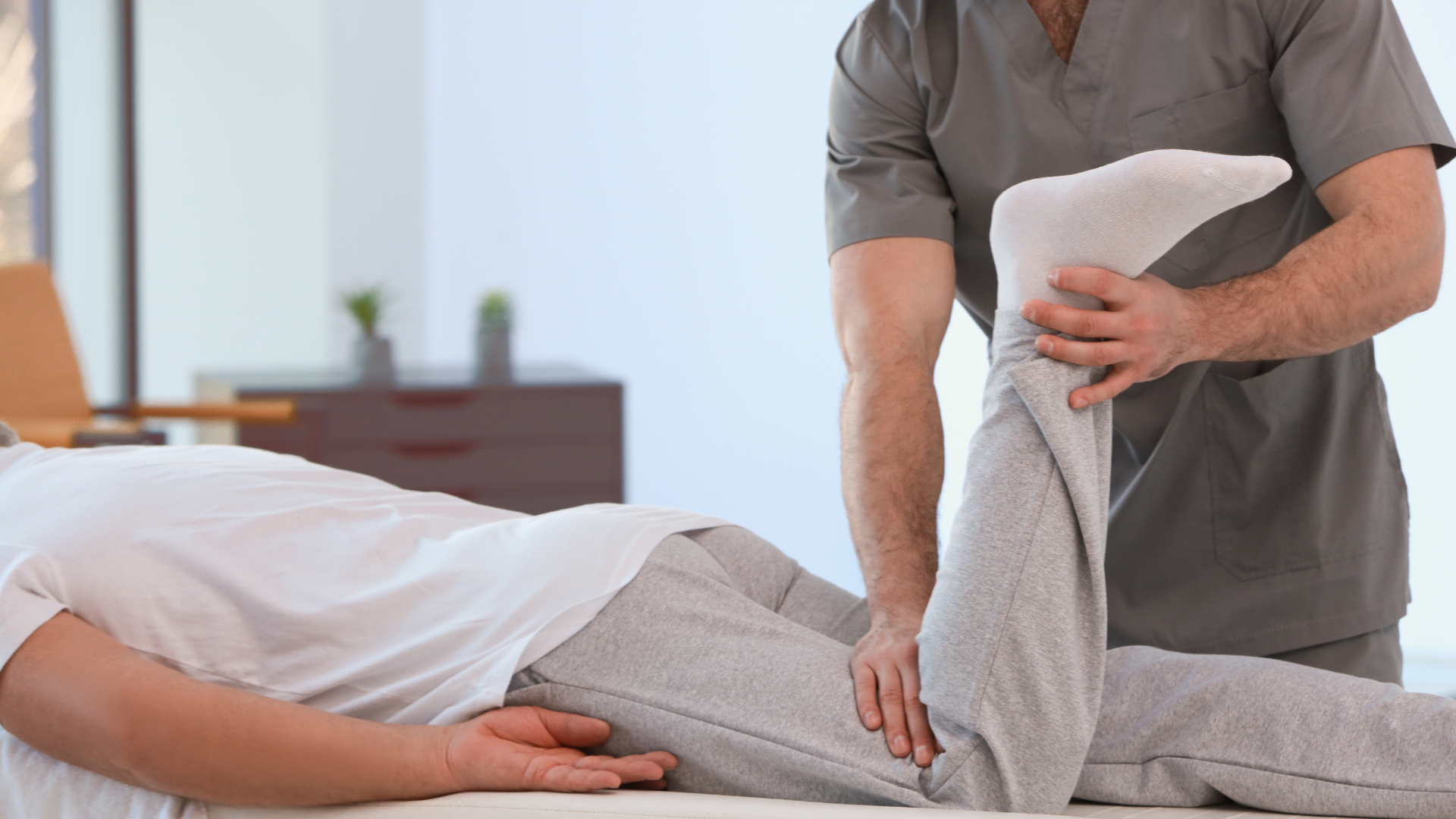
Clinical Massage Therapy offers a targeted approach to addressing muscle tension and the headaches it can trigger. Unlike general relaxation massage, clinical work focuses on identifying and treating specific areas of dysfunction.
Treatment Approaches
Trigger point therapy: Skilled Massage Therapists can locate and release trigger points in muscles that may be referring pain to your head.
Deep tissue techniques: Focused pressure can help release chronic tension patterns in the neck, shoulders, and upper back.
Myofascial release: This approach addresses restrictions in the fascia — the connective tissue surrounding muscles — which can contribute to tension and pain.
Postural assessment: Therapists can identify postural imbalances that may be contributing to muscle tension and provide guidance on corrective strategies.
Range of motion work: Gentle mobilization and stretching can improve neck mobility and reduce strain on surrounding tissues.
Many people experience a reduction in headache frequency and intensity when muscle tension is addressed consistently through professional massage therapy.
Self-Care Strategies Between Sessions
While professional treatment is valuable, self-care plays an important role in managing muscle tension:
- Practice good posture: Keep your computer screen at eye level and take frequent breaks from desk work
- Stay hydrated: Drink adequate water throughout the day, especially in Bermuda's warm climate
- Apply heat: A warm compress on the neck and shoulders can help relax tight muscles
- Gentle stretching: Regular neck and shoulder stretches can prevent tension from building up
- Manage stress: Incorporate stress-reduction techniques like deep breathing or walking
- Evaluate your sleep setup: Use a supportive pillow that maintains proper neck alignment
These strategies work best when combined with professional assessment and treatment.
How Ashlan Clinic Can Help
At Ashlan Clinic in Hamilton, Bermuda, our experienced Massage Therapists understand the relationship between muscle tension and headache pain. We take a thorough approach to assessment, working to identify the specific muscle groups and patterns contributing to your symptoms.
During your appointment, your Therapist will:
- Discuss your headache patterns, triggers, and any activities that worsen symptoms
- Assess your posture, range of motion, and areas of muscle tension
- Develop an individualized treatment plan based on your specific needs
- Use appropriate Clinical Massage Therapy techniques to address tension and trigger points
- Provide guidance on self-care strategies to support your progress between sessions
Every person's experience with muscle tension and headaches is different, which is why treatment plans are tailored to individual needs rather than following a one-size-fits-all approach.
Book your appointment with Ashlan Clinic to speak with one of our experienced Therapists and find the right treatment approach for your needs.
When to Seek Medical Attention
While muscle tension is a common cause of headaches, it's important to recognize when professional medical evaluation is needed. Seek immediate medical attention if you experience:
- Sudden, severe headache unlike any you've had before
- Headache accompanied by fever, stiff neck, confusion, vision changes, or difficulty speaking
- Headache following a head injury
- Headache that progressively worsens over days or weeks
- New headache patterns after age 50
Clinical Massage Therapy can be an effective approach for muscle-related tension headaches, but it's not a replacement for medical care when more serious conditions need to be ruled out.
Moving Forward with Confidence
Understanding the connection between muscle tension and headaches empowers you to take an active role in your own care. While tension headaches can be frustrating and disruptive, they often respond well to a combination of professional treatment, lifestyle adjustments, and consistent self-care.
If you've been living with frequent headaches and suspect muscle tension may be playing a role, a professional assessment can help clarify the picture and guide you toward effective relief strategies. At Ashlan Clinic, we're here to support your journey toward reduced pain and improved quality of life.